Security
Clear 14 Mil Security
Optically clear. You can’t tell it’s there — the glass just stops behaving like glass under impact.
Architectural solar and privacy film that rejects up to 81% of the sun's heat, blocks 99% of UV, and gives you daytime privacy — on the same glass you already have. A cooler, calmer, more comfortable home, professionally installed in a day. Full Madico lineup with specs below.
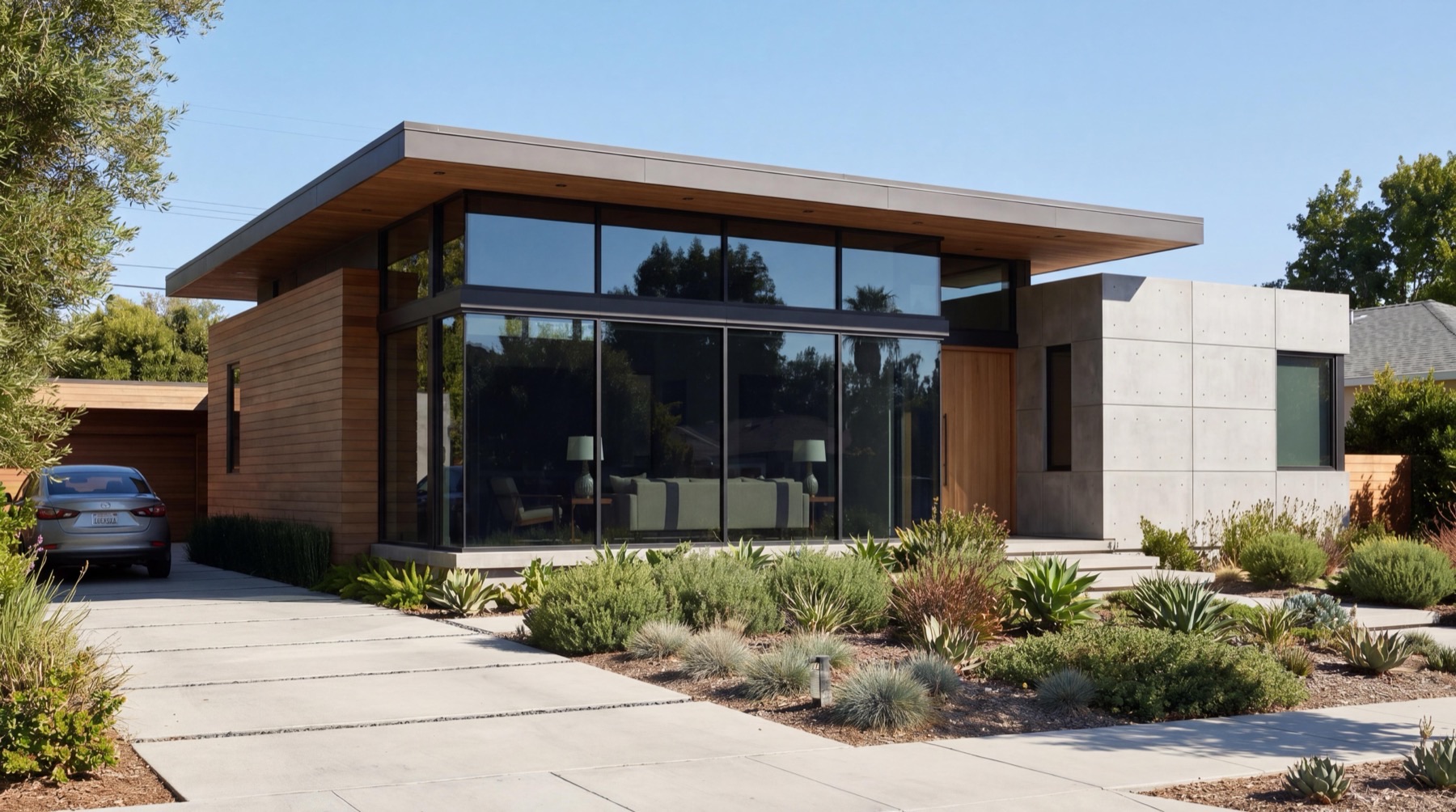
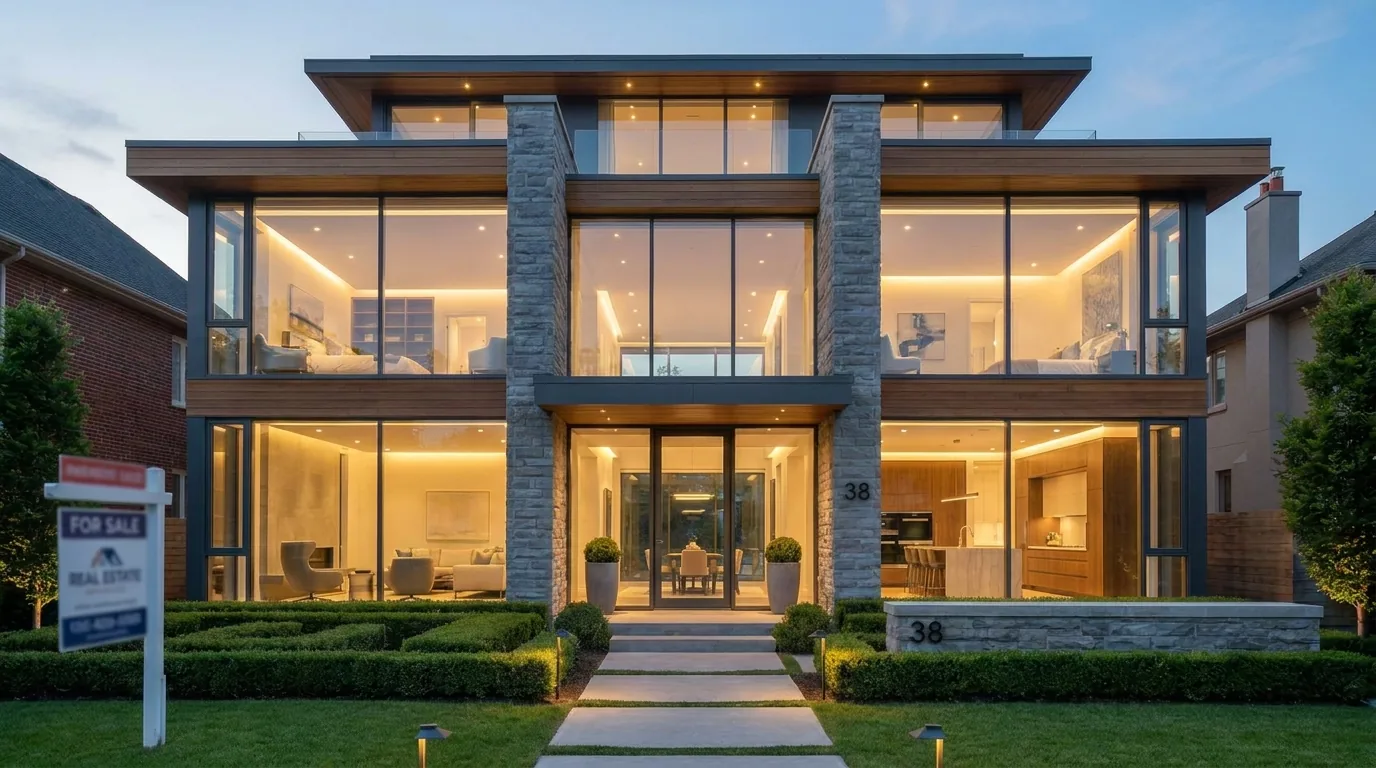
The same house with each SolarLine film on the glass — from nearly invisible to full mirror — so you can picture it on yours before you choose.
Optically clear. You can’t tell it’s there — the glass just stops behaving like glass under impact.
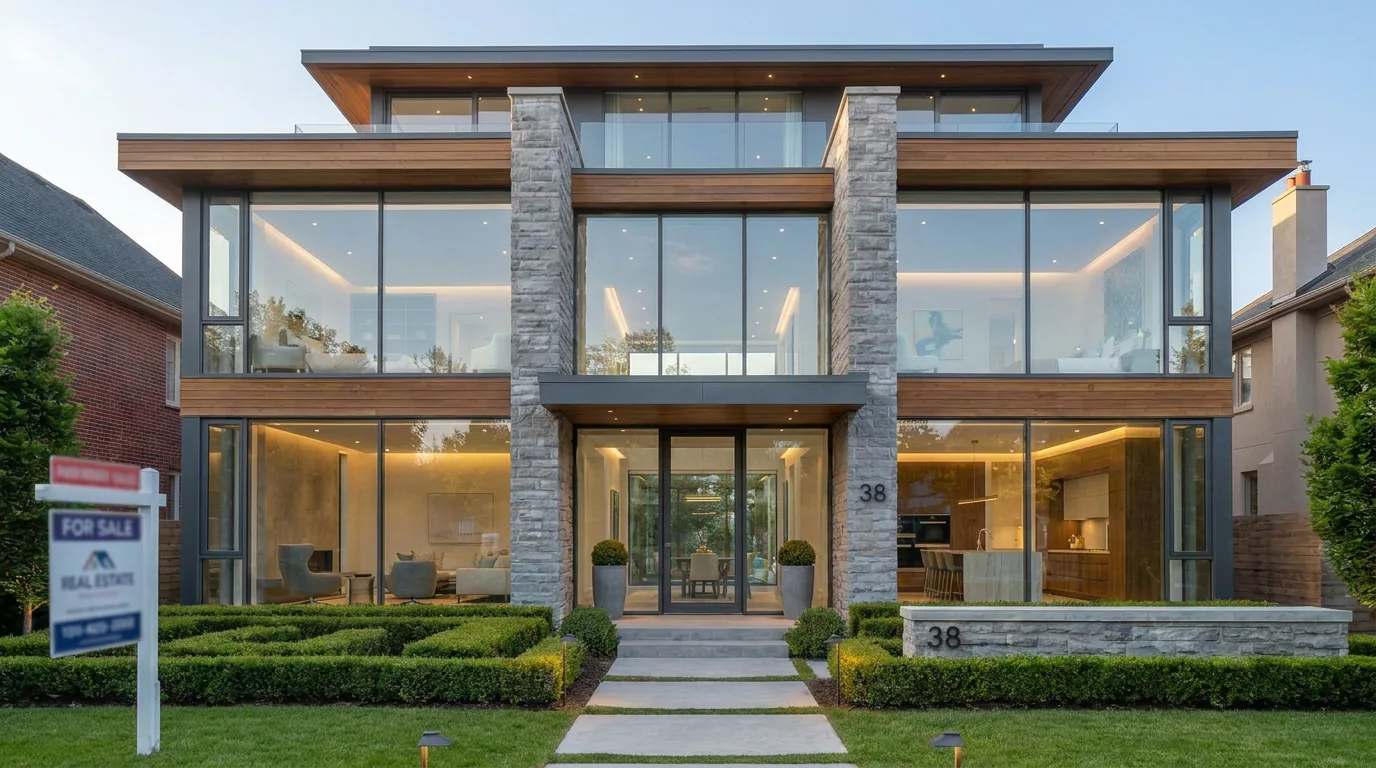
Nearly invisible. Rejects the heat and UV while keeping your view and natural light.
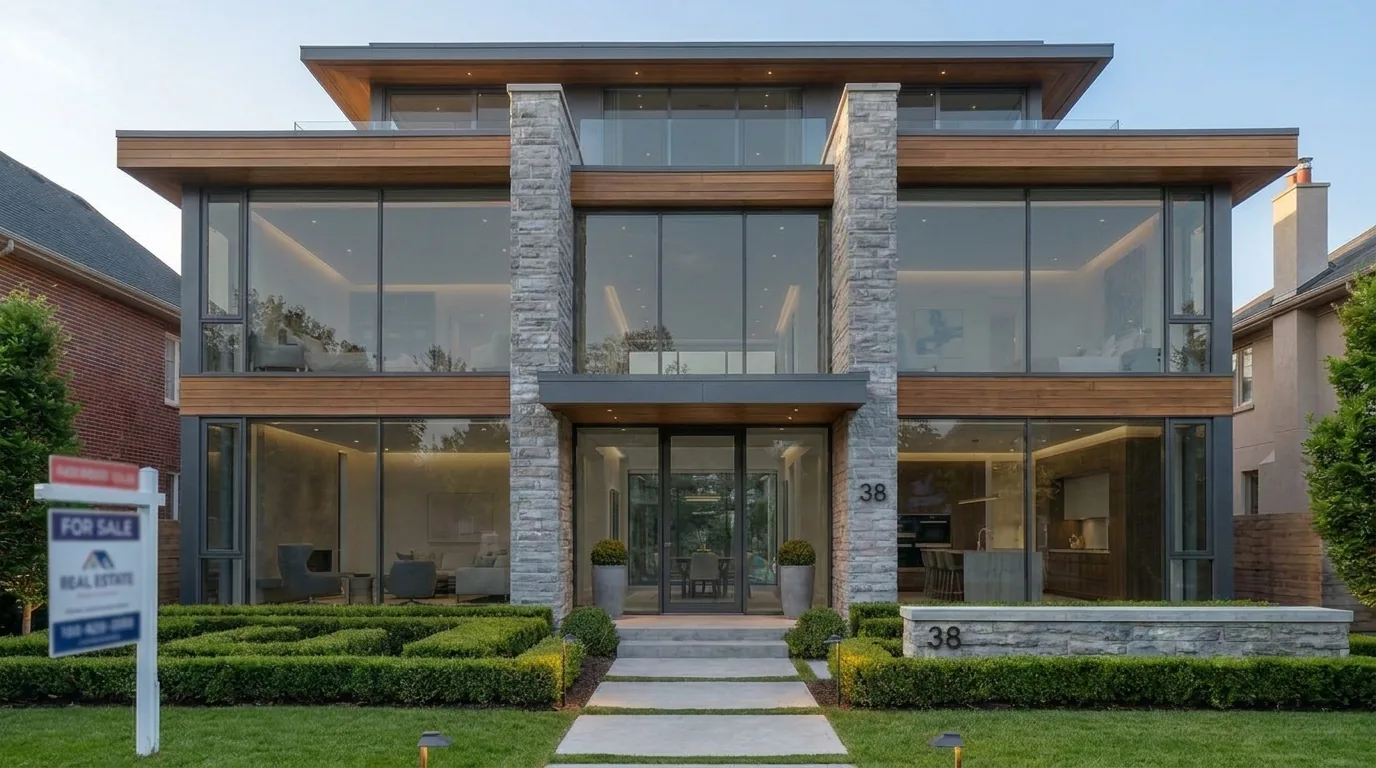
Neutral charcoal tint. Cuts heat and glare with daytime privacy and no mirror look.
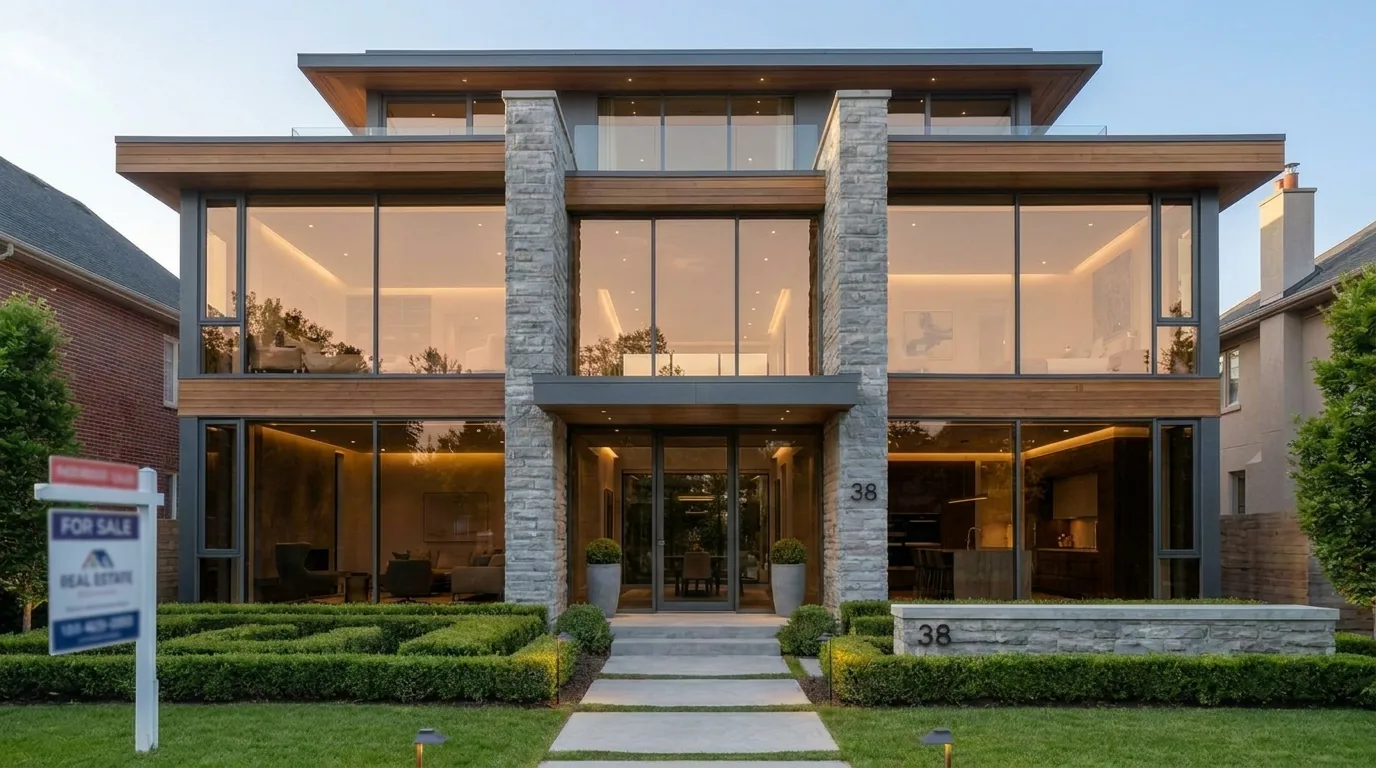
Warm copper-bronze tone. Strong heat rejection with a softer, richer aesthetic.
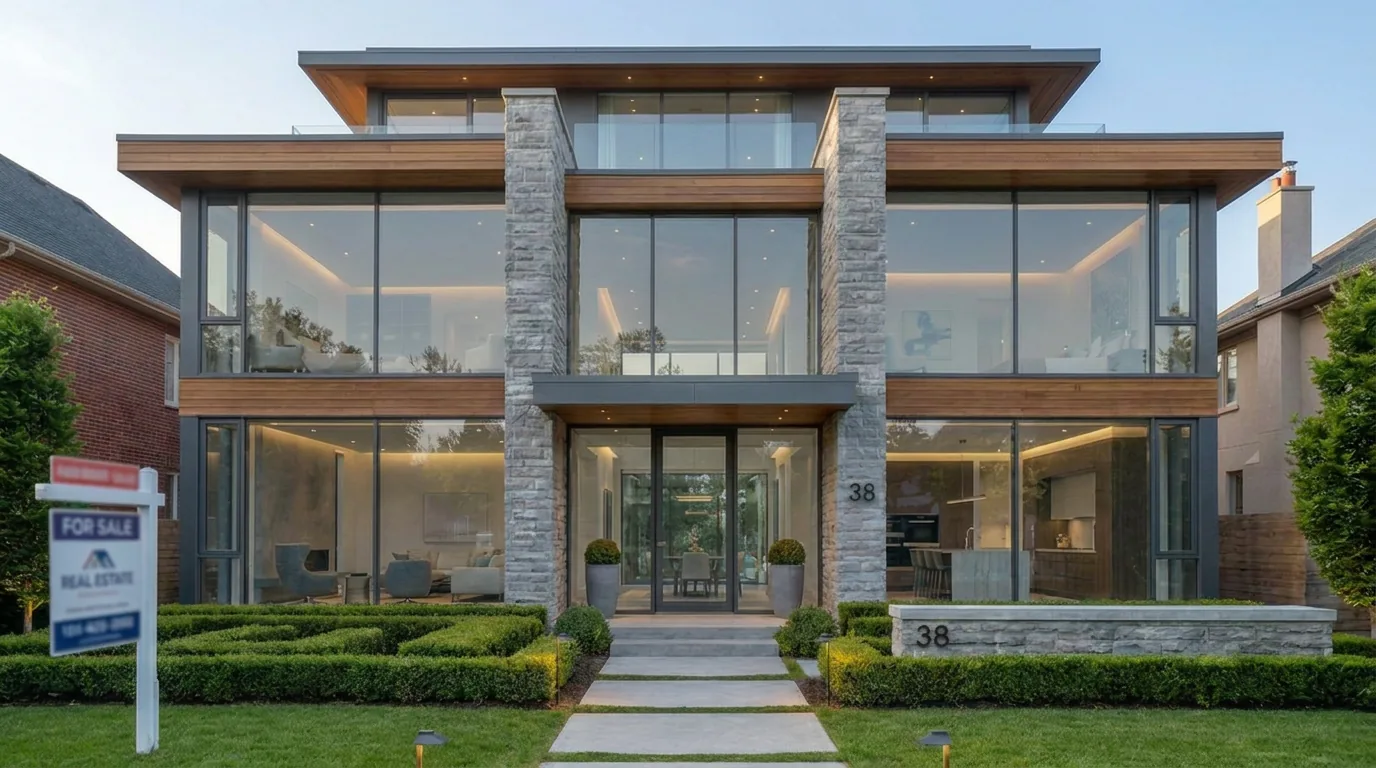
A refined, smoky reflective finish. Daytime privacy without the full mirror — clearer views out at night.
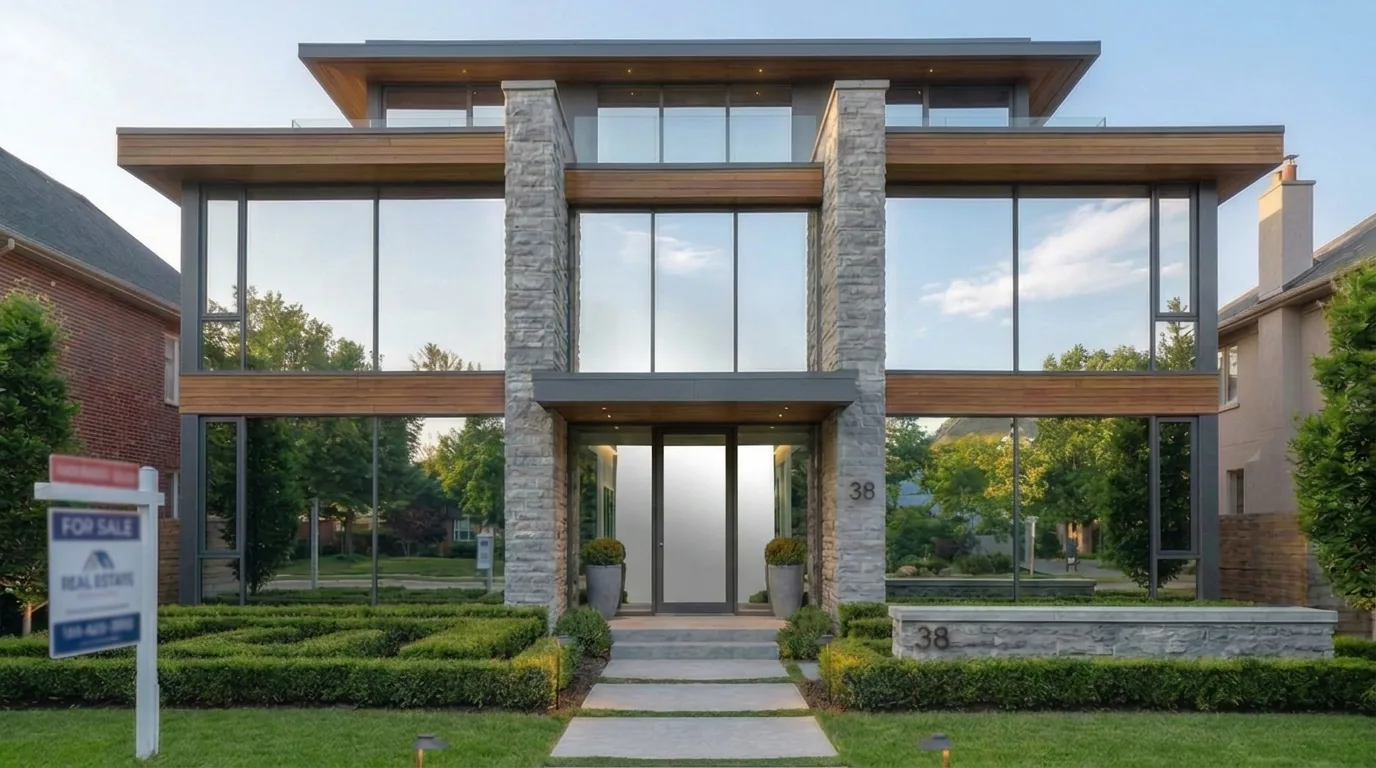
A daytime mirror. Reflects the sky, blocks the heat, and keeps the inside completely private.
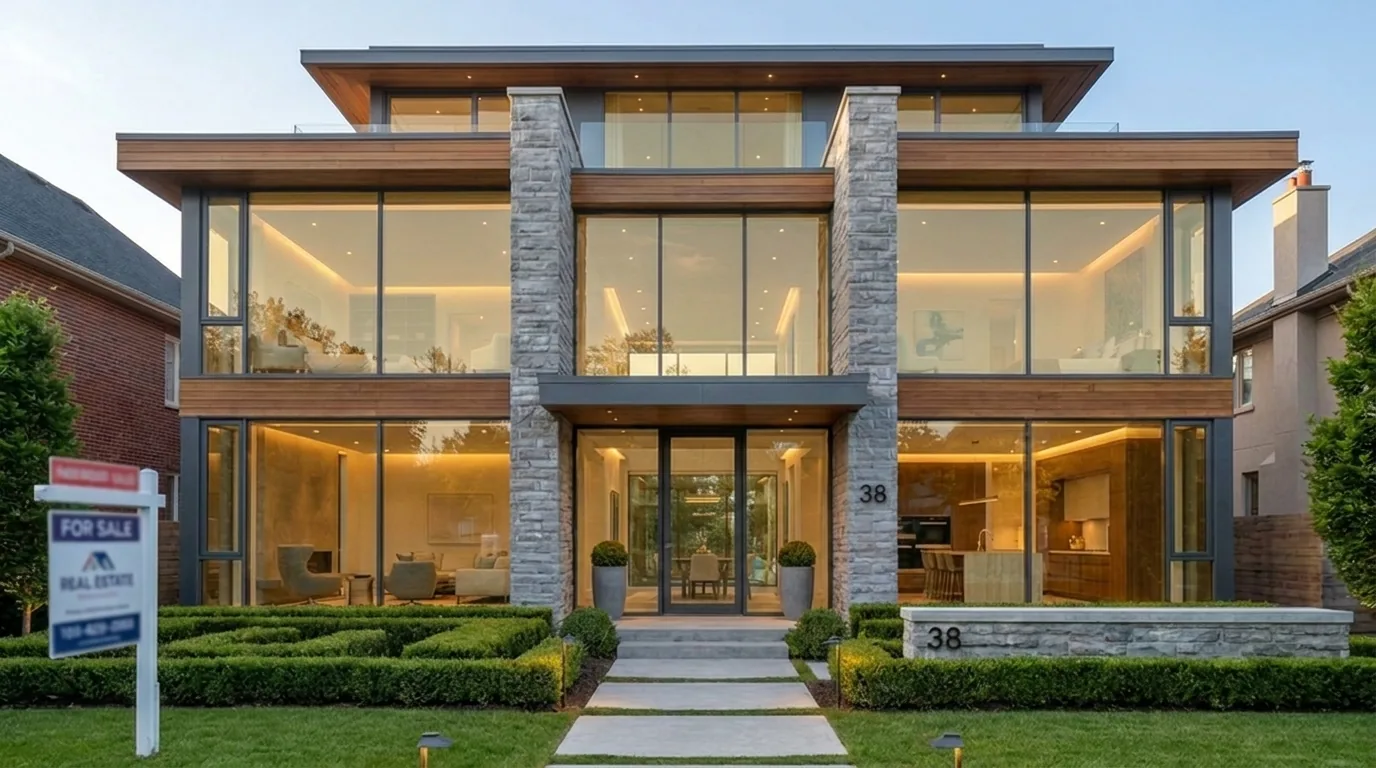
A warm golden cast. Museum-grade UV and short-wave blocking for art, archives and displays.
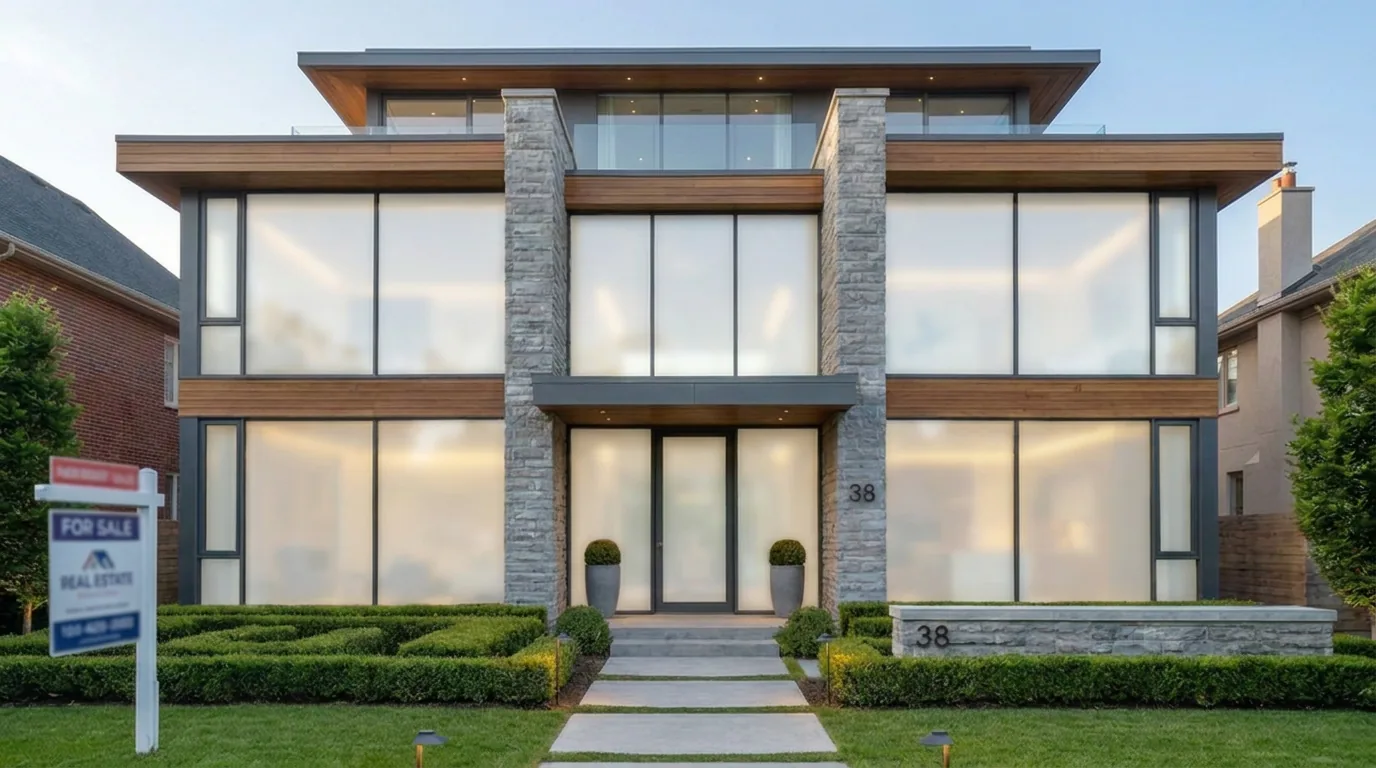
Translucent etched-glass look. Total privacy while daylight still glows through.
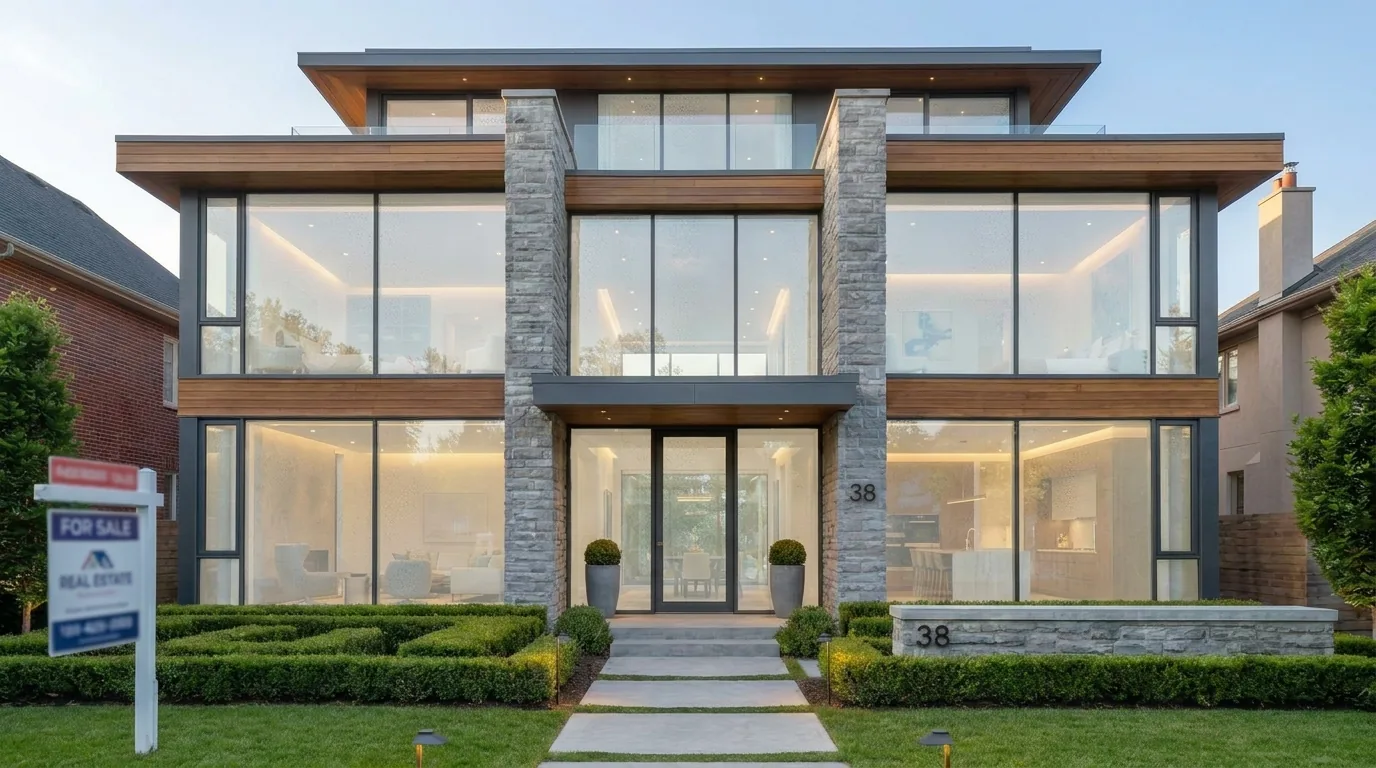
A decorative patterned frost — privacy with a soft, designer texture.
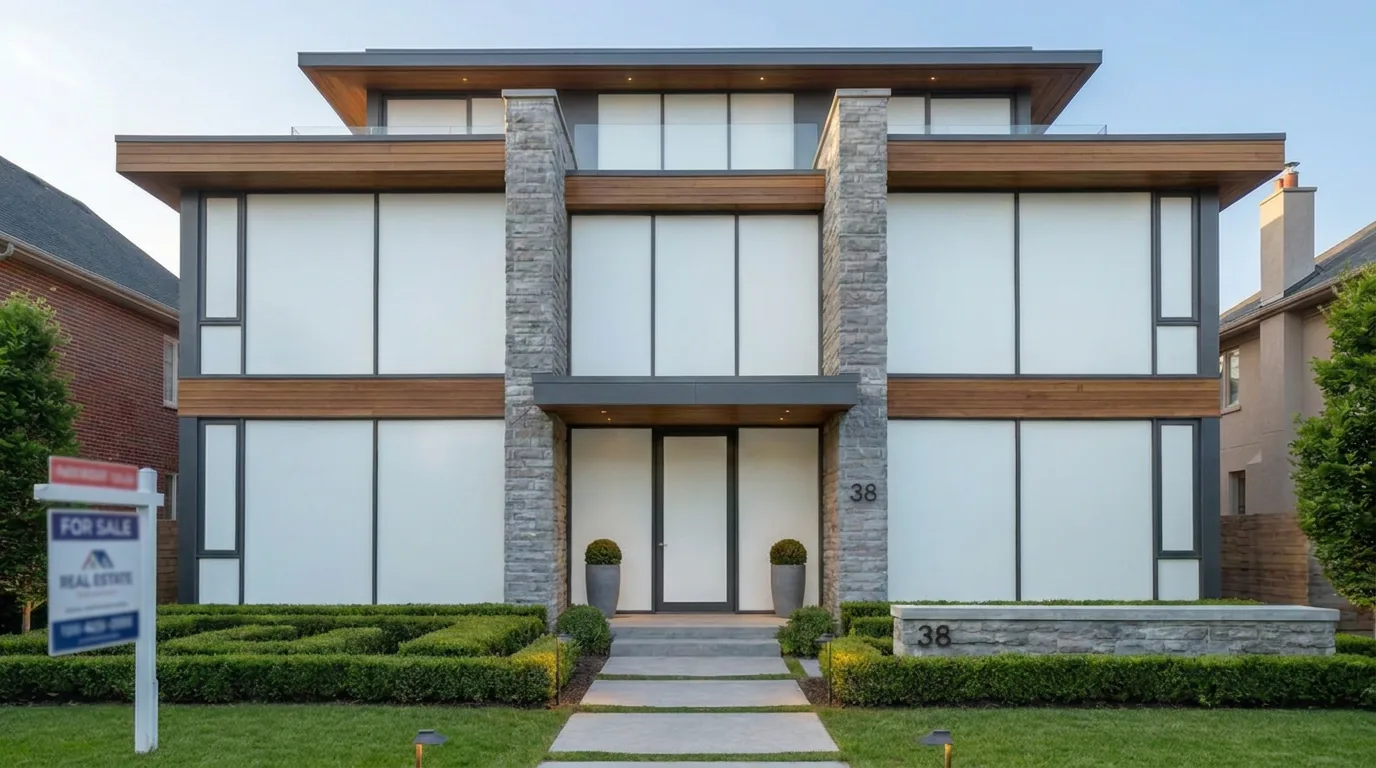
Fully opaque white. Total obscurity for bathrooms, partitions and street-level glass.
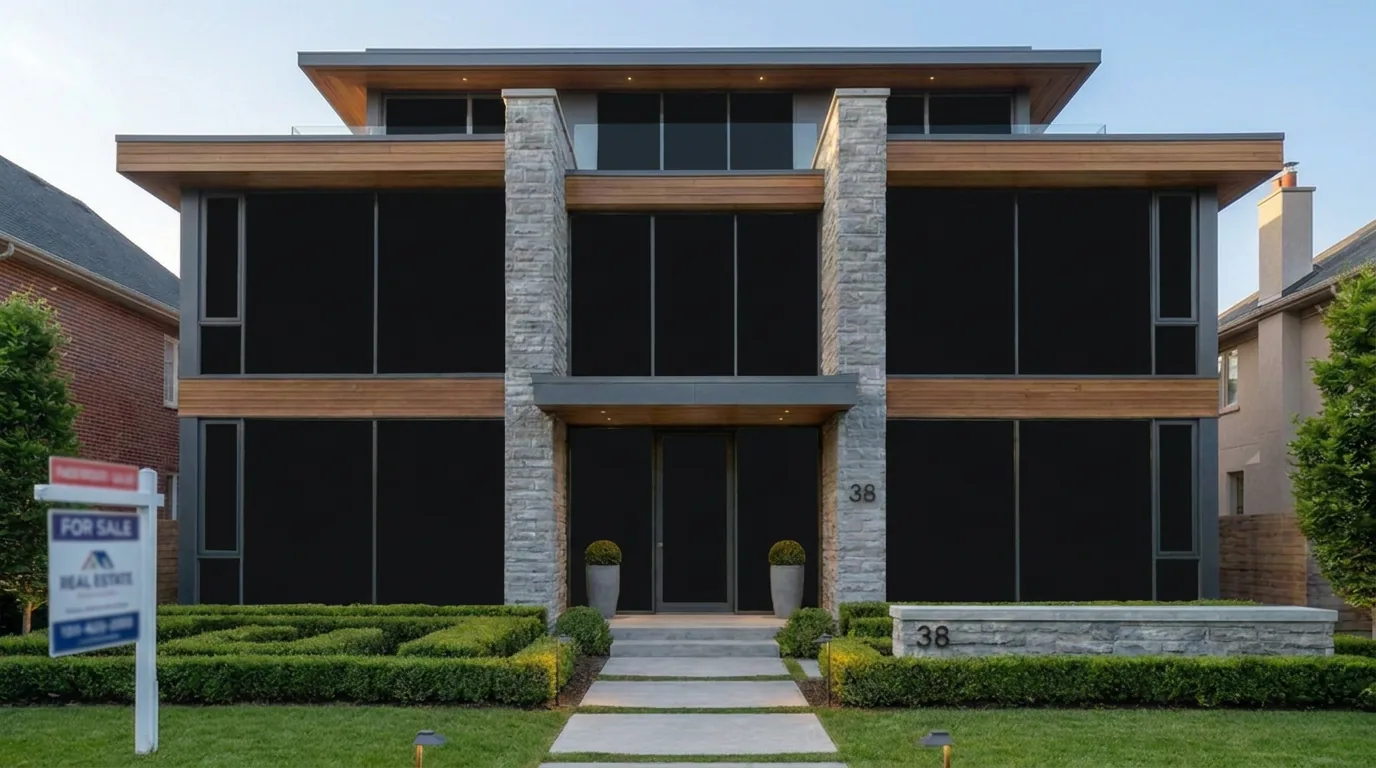
Solid blackout. Complete darkness for server rooms, projection rooms and total-dark spaces.
On a sunny afternoon, untreated glass lets roughly 80% of the sun's energy straight into the room. Your AC spends the day fighting it, and the rooms behind that glass are the hottest in the house.
Those same clear windows let anyone on the street see straight in. SolarLine film fixes both at once: it sends the heat back out and turns sun-facing glass into a one-way surface during the day — no renovation, no new windows.
Of solar heat energy rejected by the highest-performing SolarLine film.
Of UV radiation blocked — the rays that fade floors, furniture and fabric.
Glare cut on the darkest films, for screens and west-facing rooms.
Of the sun's energy that passes through untreated glass with no film.
Performance figures are manufacturer NFRC measurements on the relevant film over standard glass and vary by film and glass type. Comfort and energy impact depend on window orientation, shading, and climate.
SolarLine isn't one trade-off. You choose how much tint, mirror look, or invisibility you want; the heat, UV and comfort gains come standard on every film.
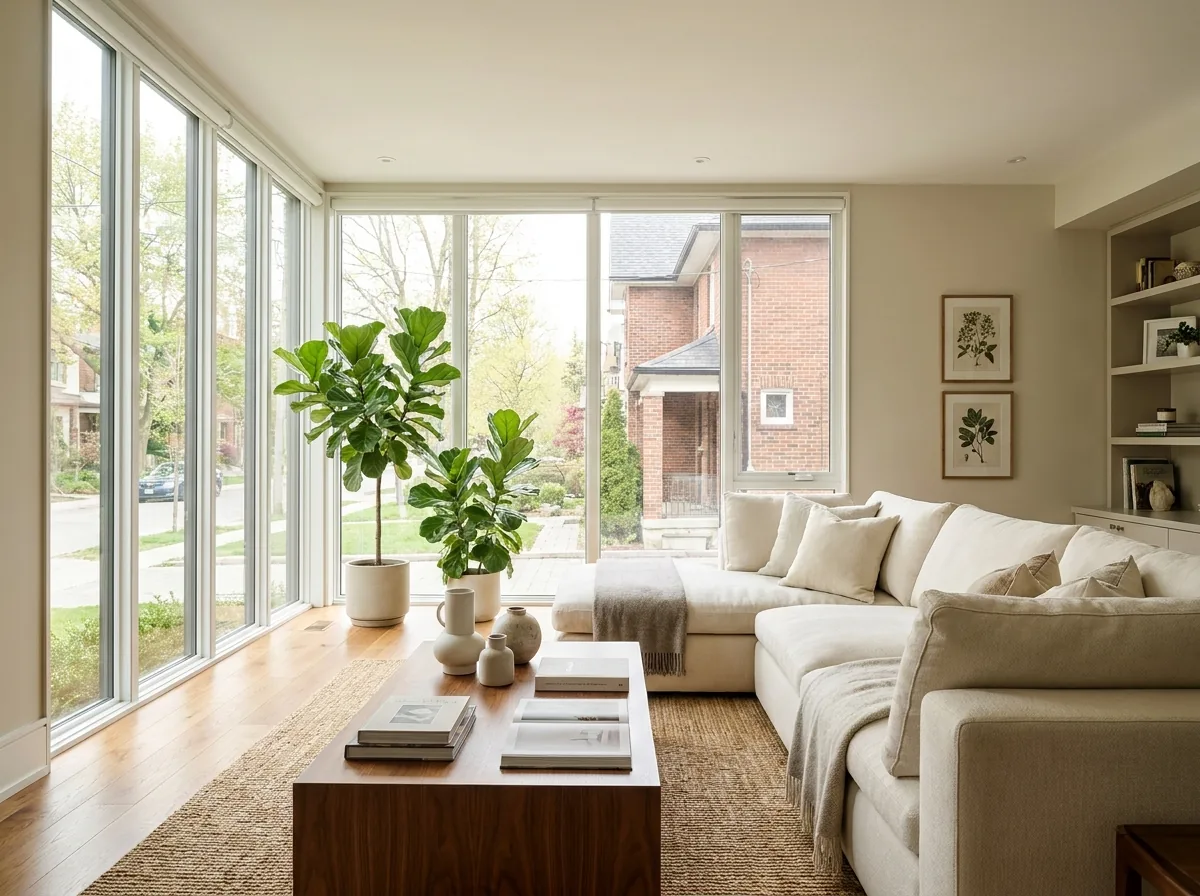
Rejects up to 81% of the sun's heat before it enters. West- and south-facing rooms stay even, and your AC stops fighting the windows.
Less solar heat coming through the glass means the AC cycles less and holds temperature more easily through the hottest part of summer.
Reflective and dual-reflective films give you a mirror or dark look from outside during the day, so people can't see in — while you keep your view out.
Blocks 99% of UV — the rays that bleach floors, furniture, art and fabric. Protects what sits near a window without darkening the room.
Every film blocks ≥99% of UV, so fade protection is a given. What separates them is how much light they let through, how much solar heat they reject, and how much privacy or mirror look you want. Pick the balance; we confirm it fits your glass.
Optically clear, multi-ply laminate films that hold shattered glass in the frame. No tint, no change in appearance — the glass just stops behaving like glass under impact. The thicker the film, the longer the forced-entry delay.
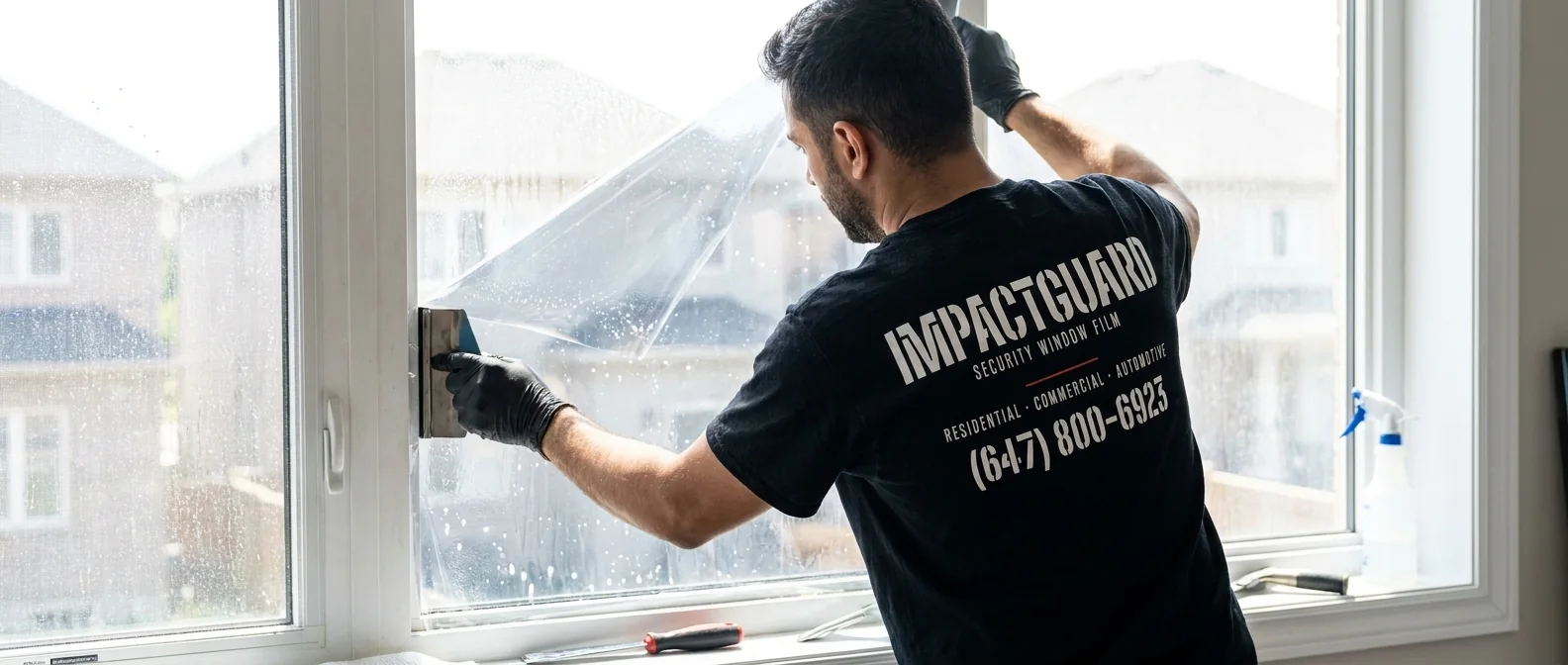
Clear sacrificial film with a lower-tack adhesive so it peels away and is replaced when defaced — protecting the glass underneath from etching, paint and scratches at a fraction of the cost of replacing glass.

Spectrally-selective neutral film that targets infrared heat specifically — rejecting up to 80% of the sun's heat while keeping high visible light and a near-clear look. Ideal where you want comfort and energy savings without darkening the room.
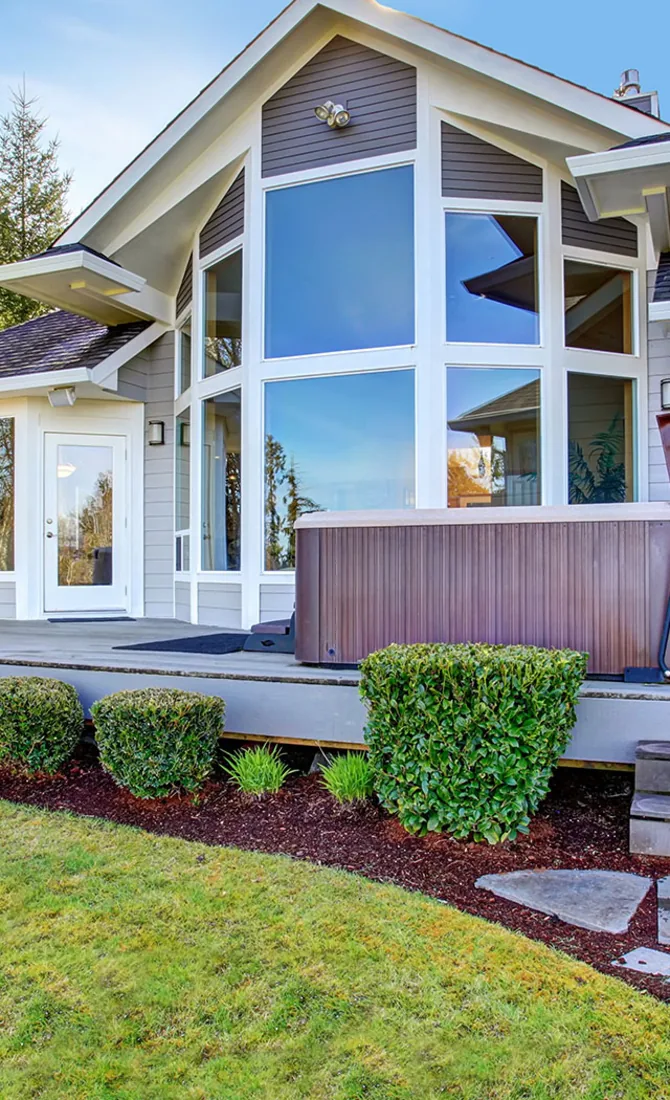
Dyed neutral-grey solar film. A timeless tinted look with glare and heat control and daytime privacy. Darker shades reject more heat and give stronger privacy.
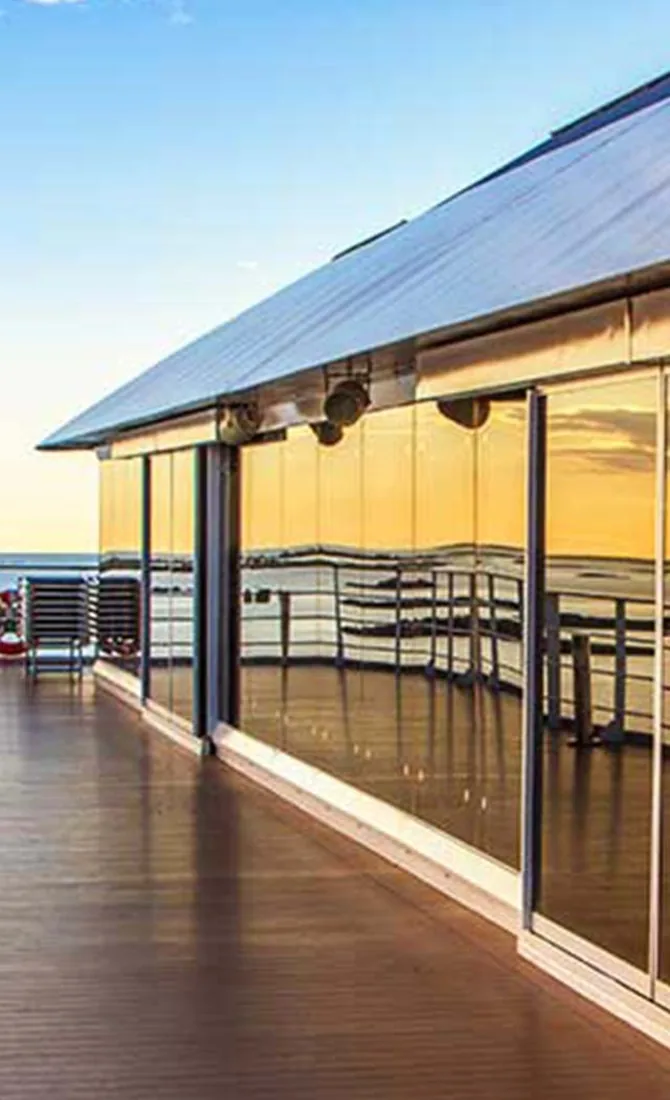
Dyed bronze solar film with a warm copper finish. Strong heat rejection with a softer, warmer aesthetic than grey — pairs well with brick and earth-toned exteriors.
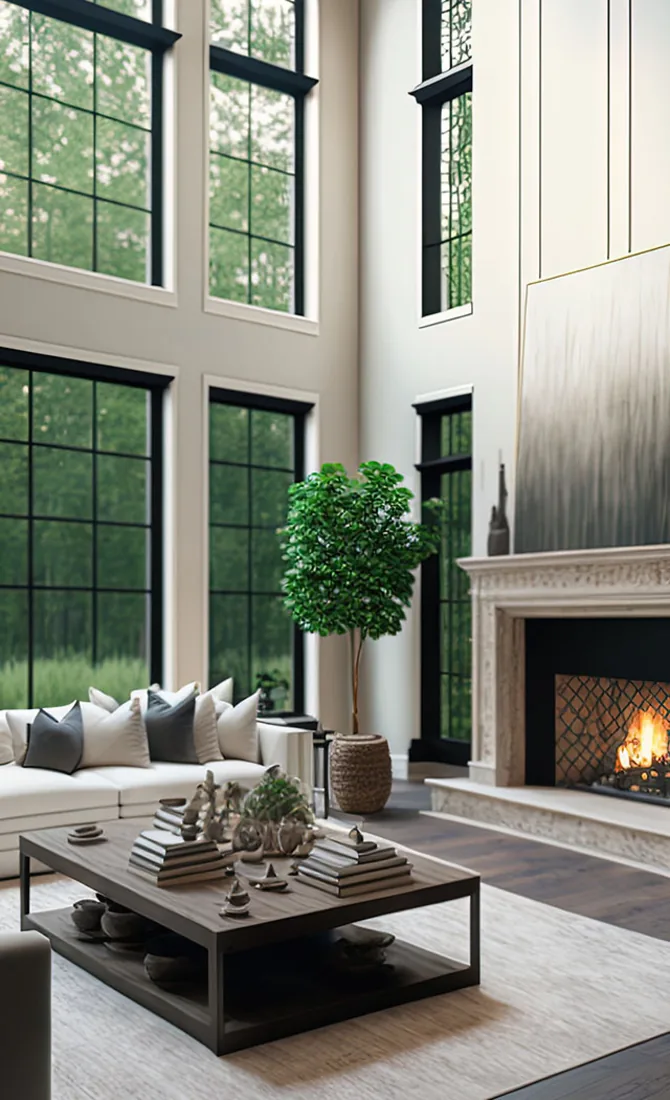
Dual-reflective film engineered with high exterior reflectivity for daytime privacy and low interior reflectivity for clearer night-time views. Strong solar control without the mirror-at-night effect of standard reflective film.
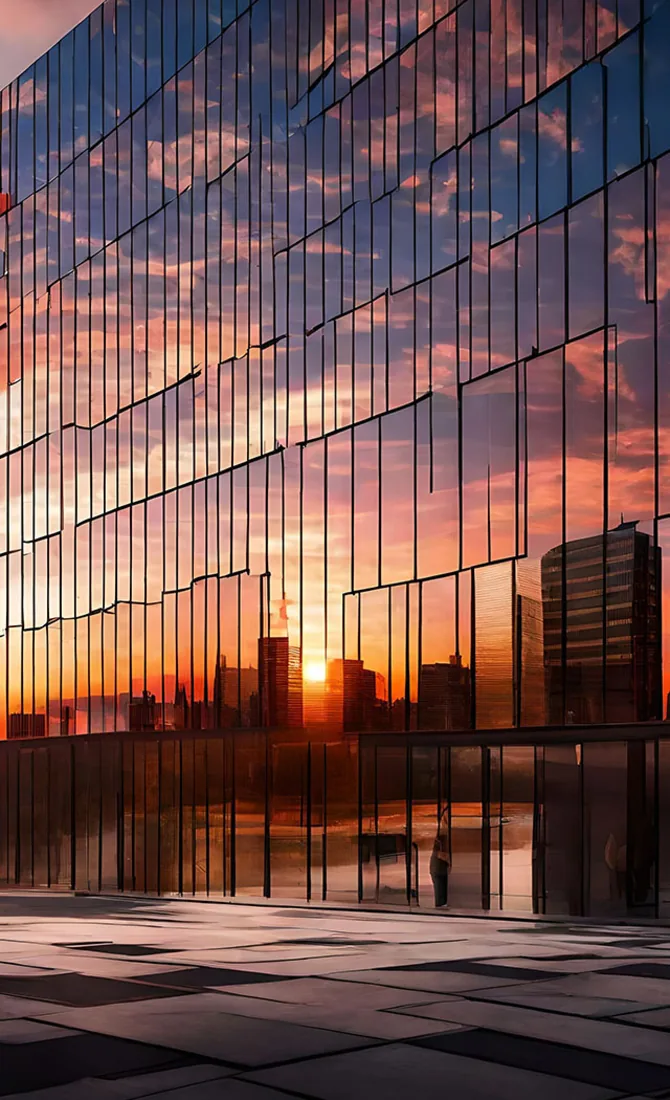
The reflective end of the Optivision line — near-maximum daytime privacy and heat rejection (up to 78% TSER) while still holding interior reflectivity lower than a standard mirror film for better night views.
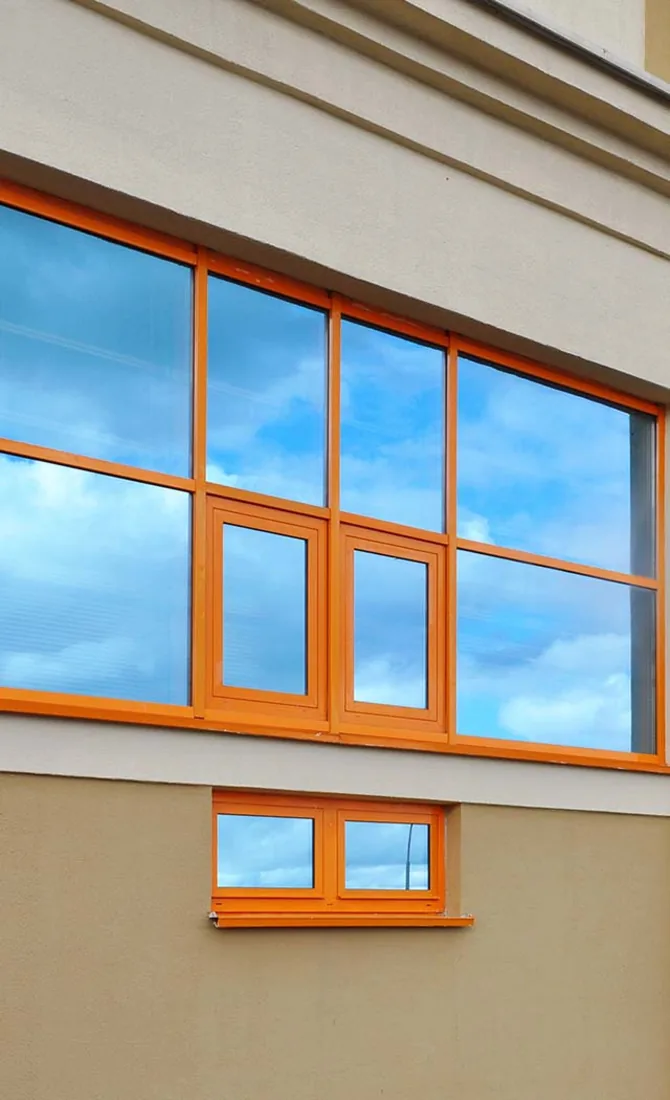
Sputtered-metal reflective film with a classic mirrored-silver finish. Reflects sunlight and heat away, delivers strong daytime privacy, and gives a building a sleek, modern facade. The most reflective look in the line.
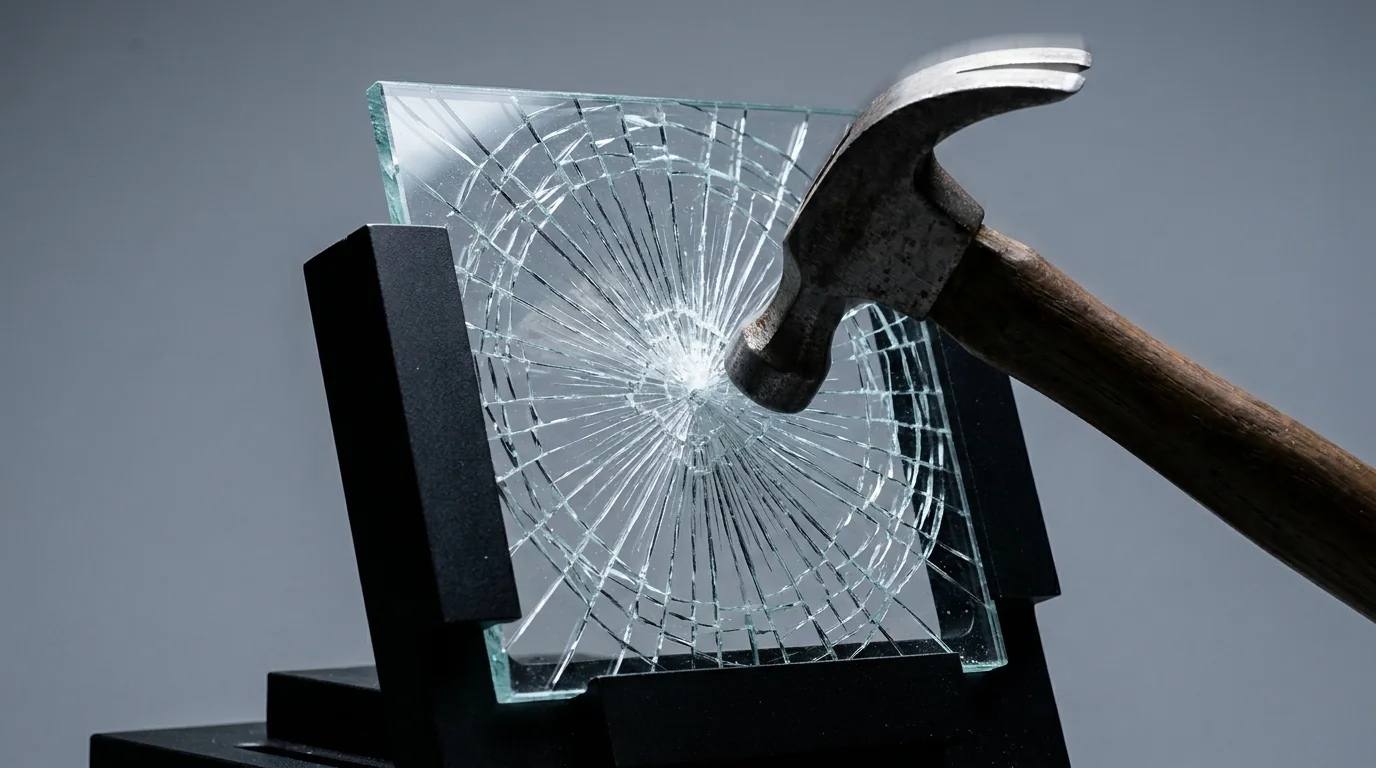
Heavy-gauge (4–8 mil) films that combine solar control and daytime privacy with genuine forced-entry retention. One film that cuts heat, adds privacy, and holds the glass together.
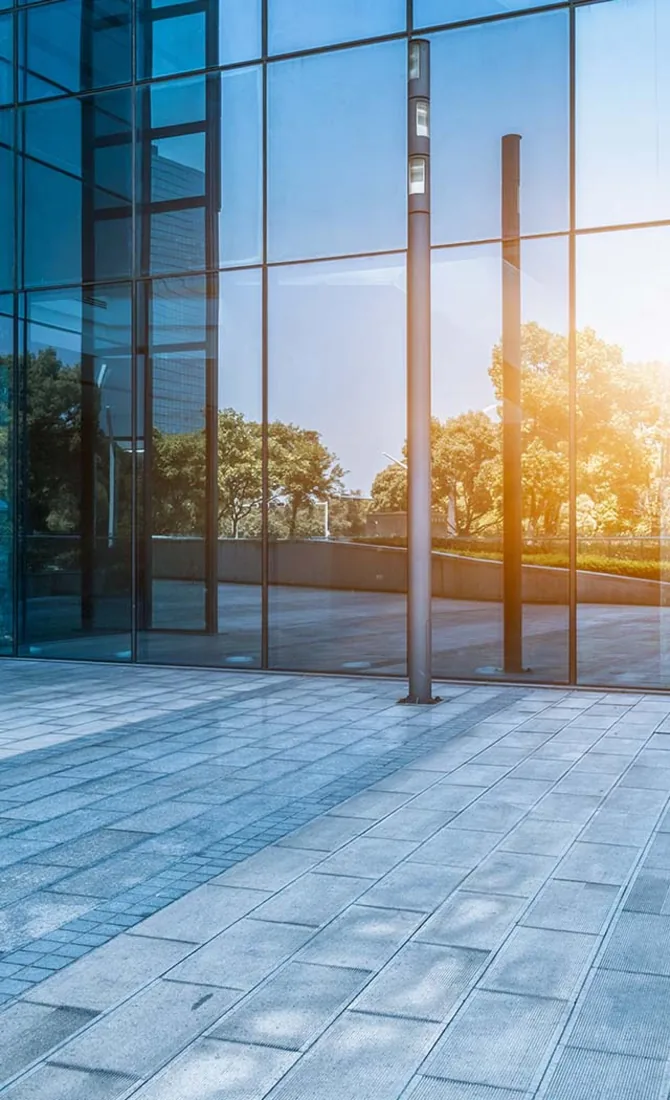
Films engineered for outside-glass installation, for glazings where an interior film isn't ideal (Low-E IGUs, triple-pane, laminated). First-surface reflection gives the highest heat-rejection figures in the catalog — up to 81% TSER.
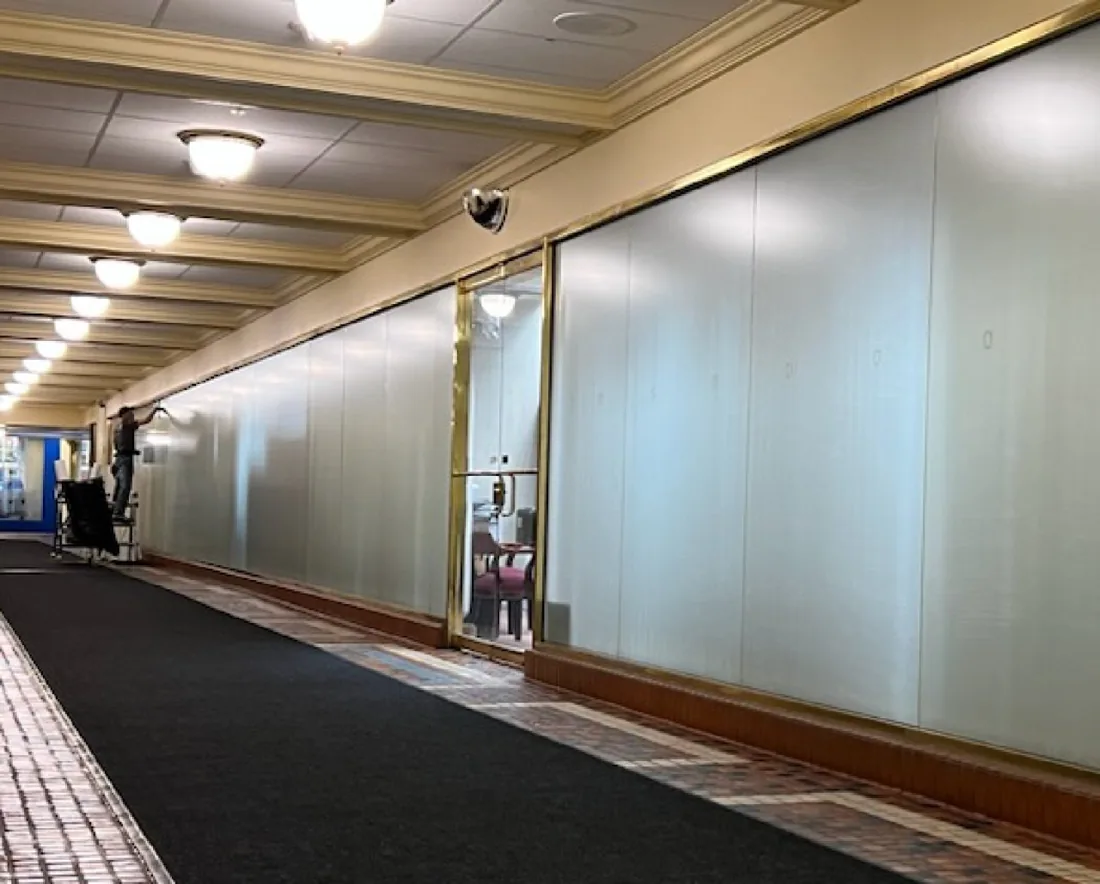
Translucent matte films that read like sandblasted or etched glass — total privacy while daylight still glows through. The 12-mil version also carries heavy safety performance; Misty Dew adds a decorative dew pattern.
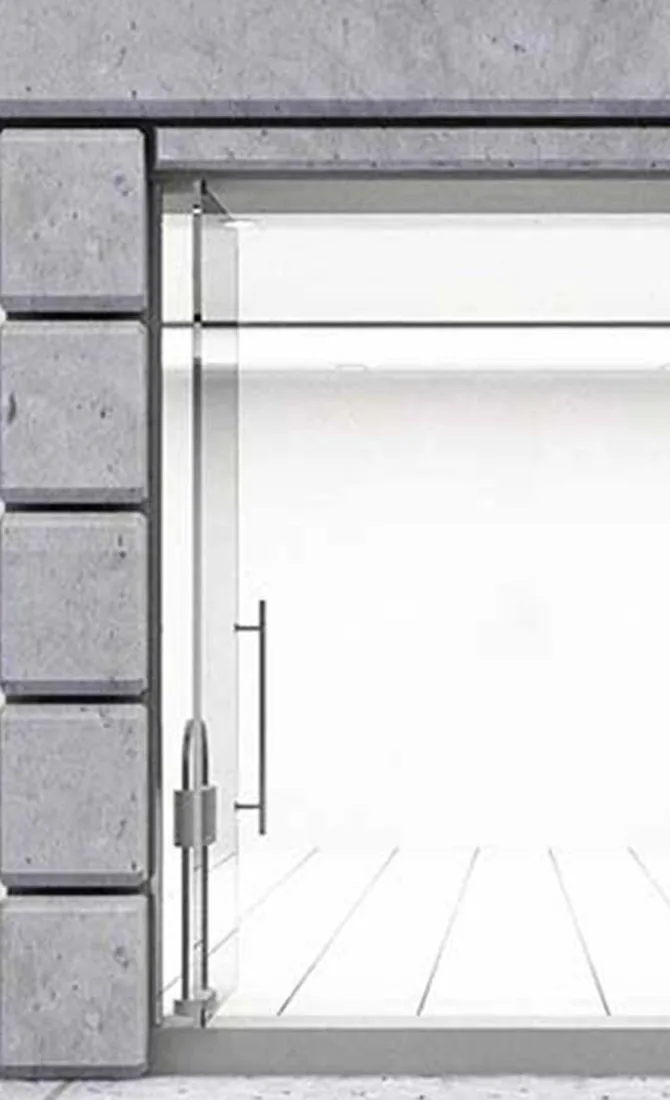
Fully opaque films for spaces that need complete obscurity or darkness — bathrooms, conference rooms, server and projection rooms. White Out reads as a clean milky panel; Black Out as a solid dark panel.
Purpose-built films for specific problems: museum-grade amber UV blocking, near-invisible UV-only fade protection, and a blister-free adhesive for plastic and polycarbonate glazings where standard film bubbles.
VLT = Visible Light Transmitted · TSER = Total Solar Energy Rejected · UV = ultraviolet rejection. Figures are manufacturer (Madico) NFRC measurements on standard glass and vary by glass type and installation. Product photography © Madico. Some films require an exterior install or pre-approval on Low-E, triple-pane and laminated units — we confirm compatibility before any job.
Solar film installs from the inside on most glass — no scaffolding, nothing left in the driveway. You feel the difference on the first sunny afternoon.
We walk every sun-facing opening with you, check your glass type for film compatibility, and hand you a written fixed quote before we leave.
Clean, dustless install. Most homes finish in a day. The film reaches a working bond within 24 hours and you can use the rooms right away.
Hot rooms even out, glare drops, your floors stop fading, and on reflective films the daytime privacy is immediate. Full cure in three to four weeks.
Want heat control and forced-entry protection together? The Solar + Security crossover films do both — or see our residential and commercial security lines.
Including the two things most solar film pages leave out: reflective film gives daytime privacy only, and the wrong film on the wrong glass is a real risk worth specifying around.
Depending on the film selected, up to 81% of total solar energy. The practical effect is that the rooms which used to be unusable on a July afternoon become usable, hot spots even out across the house, and the air conditioning stops cycling constantly to fight a single west-facing wall of glass.
Not necessarily. Heat rejection and visible light transmission are separate properties, and spectrally selective films reject a large share of the infrared load while passing most of the visible light. If keeping the room bright matters more than maximum heat rejection, we specify toward that. If glare is the actual complaint, we specify the other way.
It depends on the film. Privacy from a reflective film works off the light balance between inside and out, so a standard mirror-finish film is at its strongest in daylight and loses that advantage once your interior lights are on after dark. Dual-reflective films like Optivision are built for exactly that problem: high reflectivity on the exterior for daytime privacy, much lower reflectivity on the interior, so you keep a clearer view out at night instead of looking at a mirror. Depending on the shade and how brightly the room is lit, a see-through privacy film can still give you a useful degree of privacy after dark. If you want privacy that holds regardless of the lighting, frosted or opaque film is the definite answer, and we install those too. Tell us which rooms and which hours actually matter and we will specify to that.
Mismatched film on the wrong glass can, which is why specification matters more than product choice. Absorbing films raise the thermal stress in a pane, and that stress interacts with glass type, pane construction, edge condition, and how the opening is shaded. We assess each opening before recommending a film, and we specify to stay inside the manufacturer’s glass-compatibility guidance rather than selling one film for the whole house.
It substantially slows it. Our solar films block 99% of ultraviolet light, which is the single largest driver of fading in hardwood, rugs, art, and upholstery. Visible light and heat also contribute to fading, so no film eliminates it entirely, but removing essentially all of the UV is the biggest available intervention short of closing the blinds permanently.
Combined security-and-privacy films exist, but the compromise lands on the part you care most about: to get the privacy layer in, the security side ends up thinner than a dedicated security film. When a client wants both, we normally install two films instead of one — a full-thickness security film on the interior and a privacy film on the exterior. Each layer does its own job properly, and you are not trading away forced-entry performance to get privacy. We will walk through which openings need which at the assessment.
Free in-person assessment across the GTA. We confirm your glass type, recommend the right film, and quote on the spot.
Free consultation